Bob Hughes — Multiple Myeloma Thriver
Diagnosed with multiple myeloma at 53 while running marathons, Bob Hughes has faced stem cell transplants, CAR-T therapy, and multiple clinical trials. More than two years after his last treatment, he shares the mindset that has carried him through the valley.
Before Cancer
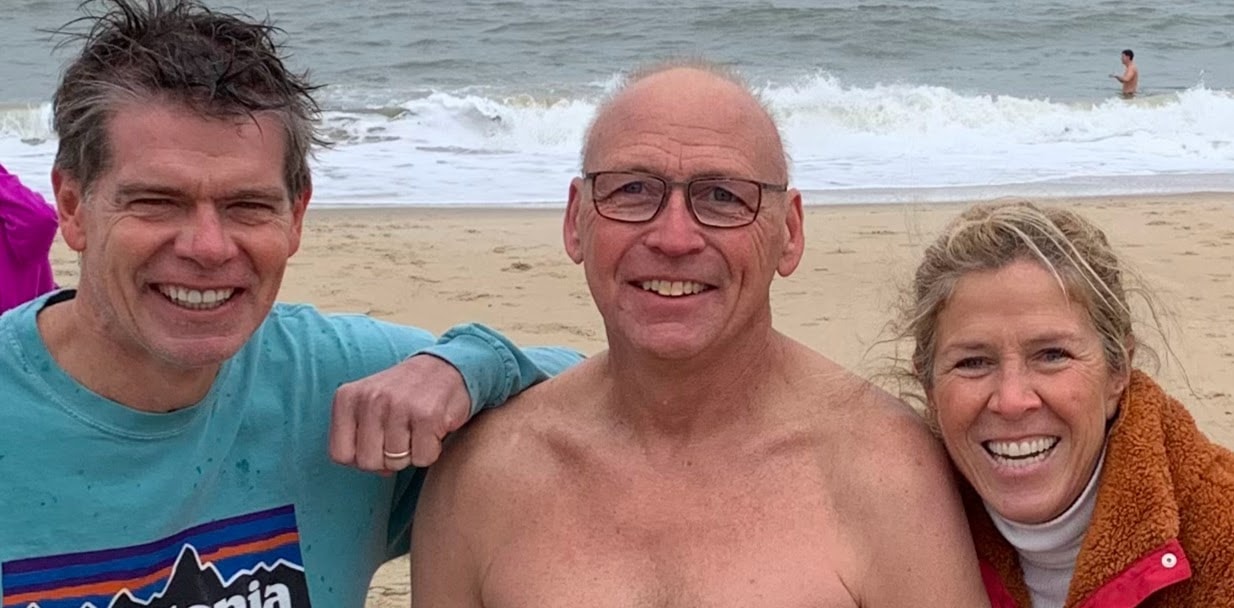
I grew up and still live in Rehoboth Beach, Delaware where I have been running a tree service since I was old enough to handle a chainsaw. I was an avid runner and biker before I was diagnosed, still a biker.
Cancer Diagnosis and Treatment Journey
I was diagnosed with multiple myeloma in May of 2020. Initially, after repairing the collapsed vertebrae, I was treated with the standard RVd, Revlimid, Velcade and dexamethasone and a short, ten rounds of radiation. After that I did a stem cell transplant at UPenn. Then a clinical trial with Daratumumab and Revlimid. When that stopped working, Pomalyst and Kyprolis. Following that, Elotuzumab and Cytoxan. That was followed by CAR-T and a second clinical trial with Cevostamab.
Current State, Reflections, and Outlook
With multiple myeloma there isn't really remission. The best we can hope for is MRD, minimal residual disease, where they can't find any cancer cells. That is where I stand, more than two years after the last treatment. It will almost assuredly come back, but we don't really know when.
Charting My Cancer Journey
What follows is my personal journey through cancer—the highs, the lows, and the mental battles in between.
In each section, I'll open up about what I experienced and how I learned to move from difficult emotions like fear, anxiety, and despair toward courage, peace, and hope.
If you're walking this road too, I hope these moments help you see that you're not alone—and that shifting your mindset can become a powerful part of your healing.
Shock to Acceptance
Can you take us back to the moment you heard the diagnosis? What did that shock feel like, and what helped you start moving toward acceptance?
I wouldn't say I was shocked, I was in a lot of pain from a collapsed vertebrae. The spinal surgeon told me I had a tumor, right before he told me they were waiting for me at the hospital, and we would be doing surgery the day after tomorrow. I had bigger fish to fry. The cancer would have to wait. Once I got home, with five vertebrae tied together with titanium rods and screws, I slowly eased my way into dealing with cancer. As I researched multiple myeloma, I learned that the typical patient was mid 70's, I was 53 and running marathons. I felt that if they could handle this, I certainly could. I felt uniquely qualified to handle the situation. My thoughts were, "What have you got Cancer?" I'm ready to take you on.
Fear to Courage
What fears began to surface after your diagnosis, and what helped you take your first steps toward courage despite them?
I was diagnosed young, at least in the world of multiple myeloma, and being young and otherwise healthy, I took the bull by the horns. What is this cancer? How do I treat it? When do we get started? When they said I needed a stem cell transplant, I said "I'm ready" (I wasn't). When the opportunity for a clinical trial came up, I said "Bring it on." After several lines of treatment, I was excited to be in line for CAR-T. Following CAR-T rather than taking the normal treatment break, I signed on to another clinical trial. I'm ready to see this through to the end, even when realistically, there won't be one. I just keep going.
Depression to Joy
During moments when you felt weighed down or overwhelmed, what did that season of depression look like—and what helped you begin finding joy again?
I may be doing this whole cancer thing wrong. I don't recall having been what I would consider depressed. I have tried hard to remain optimistic and positive. There is always another treatment around the corner if needed. I don't see it as a death sentence, it's just a fork in the road. Certainly not every day is bright and cheery, but most are. Infusion days aren't great, but they allow me to live the rest of the month as if I didn't have cancer. Nothing great about weeks in the hospital following CAR-T, but it allowed for years of treatment free relief. To me, it's all about looking forward to the good days, there have been plenty of them.
Anxiety to Calm
When anxiety began to take hold, what thoughts or situations triggered it—and what helped you find moments of calm in the midst of it?
I guess for me the evolution from anxiety to calm came as treatments that were as frequent as weekly to my last treatment over two years ago. This treatment, CAR-T, meant no more regular infusions, no real medicine at all. Monthly testing for immune globulin levels and quarterly light chain test, the real indicator of cancer level for me. Everything has been great for over two years now. It will almost assuredly be back, but I'm not worried about when.
Loss to Fulfillment
What did you feel you lost through your cancer journey—and how did you begin to rediscover a sense of purpose or fulfillment?
When I was diagnosed, I was running 20 miles a week. I was doing half marathons and other 6-10 mile races. That all stopped when a tumor in my spine caused a vertebrae to collapse. The resultant titanium rods and screws meant no more running. The group of friends which I ran with chose to walk with me while I was recovering. Many of them still do, five years later.
Anger to Gratitude
Did you experience anger during your journey—toward your situation, others, or even God—and what helped you begin shifting toward gratitude?
I had trouble with this at first. I don't blame anyone or thing for my cancer and therefore am not angry per se. What I am angry about is the cost of treatment. Revlimid (lenalidomide) is a very common drug in the treatment of multiple myeloma. If you are diagnosed, you will almost assuredly take Revlimid. 28 days worth is over $24,000, more than $800 a pill. Nearly $300,000 a year. CAR-T cost 2.8 million dollars. I have good insurance and they have covered much of the ridiculously high cost for the last five years. Fortunately, we have been able to make up the difference with grants. I often wonder what happens to people who don't have good insurance, my guess is they die much earlier than I will.
Helplessness to Empowerment
When you felt most out of control or helpless, what was that experience like—and what helped you begin to regain a sense of strength and empowerment?
After checking into the hospital for a stem cell transplant, having previously endured the installation of a central line in my neck, the first thing they do is give you a dose of melphalan. This is to kill off pretty much everything including your hair follicles. The introduction of your recently harvested stem cells gives you something to build on. For the next week you watch the daily blood work for hope that your white blood cell count will hit zero as the melphalan does its job and then wait again for the count to rise from zero to whatever level will allow you to go home. When the count is still going down you know that each day you will feel worse. It is hard to believe that you can feel worse than you already do. The medical team supplied IV platelets and nutrition to keep me going. My job was to endure. There is nothing else I could do. Slowly the numbers began to improve, but it was a long 16 days of anxious waiting. Knowing I could face off melphalan and return to a normal life was empowering.
Loneliness to Loved
Were there moments when you felt alone in your journey—and what helped you begin to feel seen, supported, and truly loved?
When I was first diagnosed, it was because of a tumor in my spine that caused a vertebra to collapse. The repair required titanium rods and screws to bridge the gap. This was in early May of 2020, right in the heart of covid. I had driven two hours to meet the doctor; he directly admitted me to the hospital. I could not have any visitors and was in quite a bit of pain. A week or more in the hospital bed seeing no one seemed like an eternity, but all of my friends and family were waiting for my return. There is no place like home.
Despair to Hope
Were there moments when you felt deep despair—and what helped you begin to find hope again, even if just a small glimpse at first?
Before I qualified for CAR-T, my treatment options were getting thin and my numbers were slowly but steadily rising. We were applying for a CAR-T clinical trial in Boston, quite a distance away, when my specialist at UPenn said he was going to put me on the list for already approved CAR-T for myeloma. CAR-T for myeloma was pretty new and the list was long, but I was on it. The CAR-T coordinator suggested that I get all my testing done so that when a spot opened up, I would be ready. Before too long I was given a spot. I entered the hospital with light chain numbers in the 300's, the best I had achieved in four years of treatment was 35. The normal range is 6-26. 300 was getting back to 450, where I was when diagnosed. A month later when I headed home, I was at zero, and have stayed there for more than two years. Rigorous scientific research and a surge in cancer funding have saved me once. The hope that this trend will continue keeps despair at bay.
Guilt to Self-Acceptance
Did you experience any feelings of guilt during your journey—and what helped you begin to release that and move toward self-acceptance?
A good friend of mine is a driver for UPS. I was talking to her shortly after being diagnosed with multiple myeloma. She could not believe it; her brother had died from multiple myeloma just a few years earlier. What are the odds, a disease that only represents 1.8% of cancers, and she is facing it again. It is my belief that if he was diagnosed just two or three years later, he would still be alive, given the advancements in treatments. I was fortunate to have new drugs and clinical trials as I needed them. Who knows, if I had been introduced to the world of blood cancer three years earlier, I might not be writing this today. I humbly accept this gift of time and treatment, but I grieve for those less fortunate.
Explore Topics
Written by
Bob Hughes
Content creator and writer sharing insights and stories.